Blog home / Walking in the Dolomites Information
Walking in the Dolomites Information
Here is everything you need to know about walking in
the Dolomites. From the rich flora and fauna found in the mountains to their war legacy and must-visits, find out all about this stunning mountain range in Italy ahead of your walking trip to the Dolomites.
What does 'Dolomites' mean?
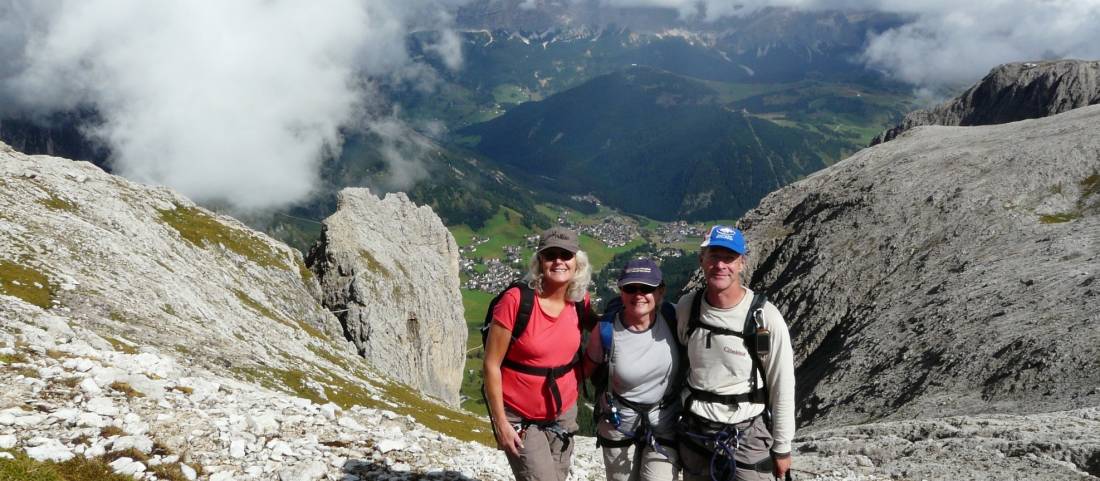
The nickname for the Dolomites is ‘Pale Mountains’, given to them because of their soft colour. Dolomite is a calcium-rich mineral that can form rock and is named after Frenchman Deodat de Dolomieu who discovered it. The mountains are actually limestone and because in this part of Italy contain dolomite, are known as dolomitic limestone mountains.
When were the Dolomites formed?
The Dolomite mountains were formed more than 224 million years ago. The gigantic limestone mountains were formed 150 metres below sea level, but because of the movement of the earth’s surface were lifted to the level they now are.
What flora & fauna are found in the Dolomites?
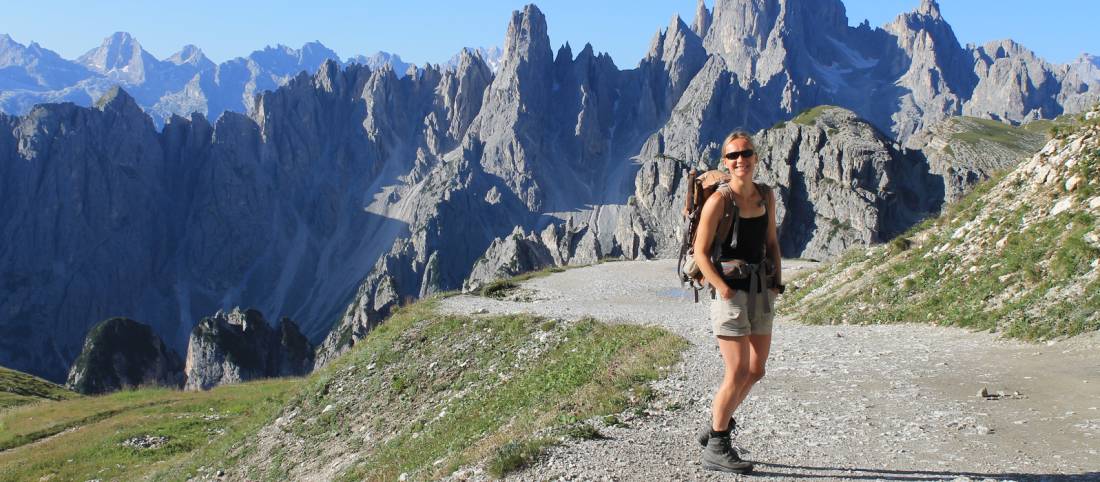
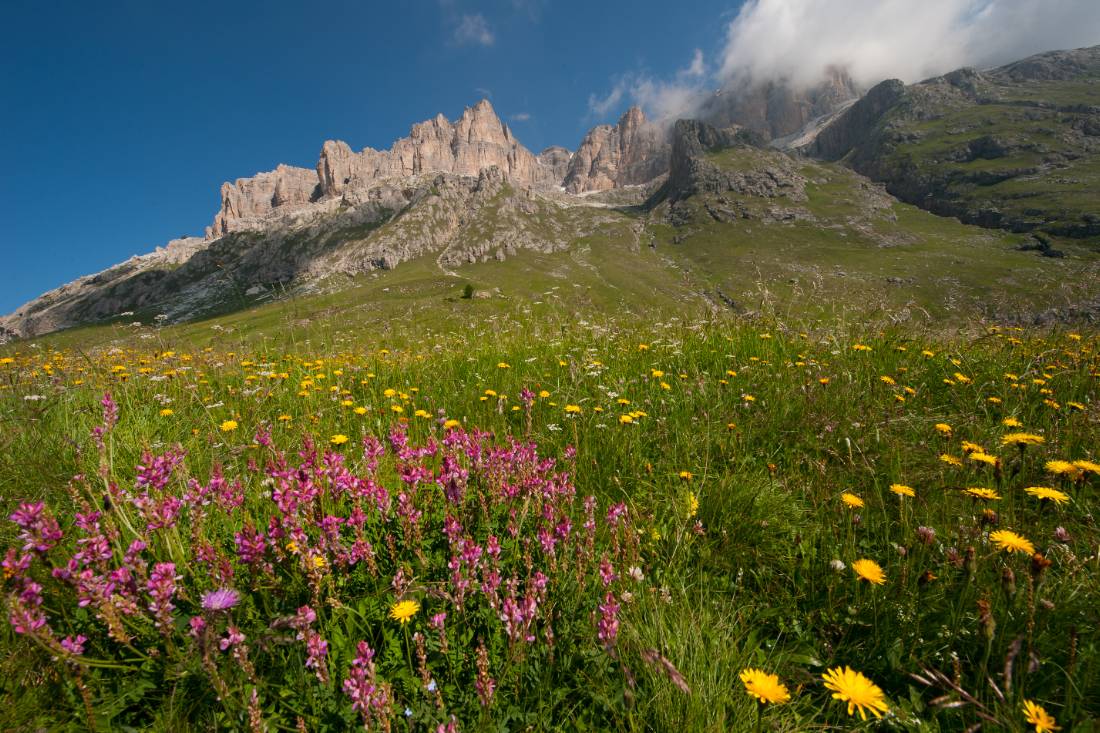
While walking in the Dolomites you can find deer, chamois and bears, which arrived via Slovenia. There’s also a large variety of birds, from sparrows to eagles. The woods that are part of the mountains are dominated by conifers, pines, larches and beech. Because the surface is great for mushrooms to grow, you can find this reflected in the regional cuisine.
What is the climate like in the Dolomites?
The climate you’ll encounter while walking in the Dolomites is typically alpine and said to be one of the best for hiking in the region. In the summer temperatures reach a maximum of 25 degrees Celsius and you can cool off in the shadow of the rich green woods and via the occasional breeze.
The legacy of war in the Dolomites
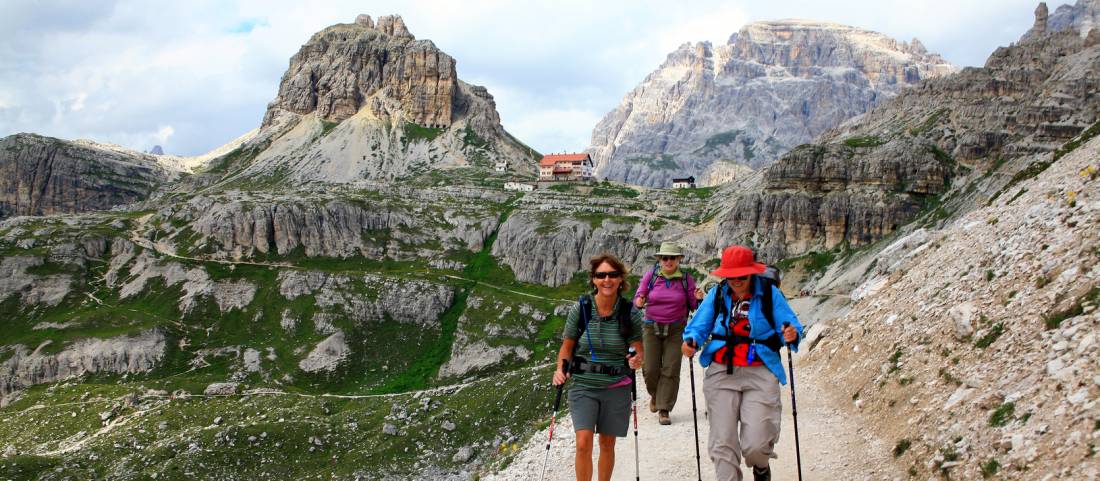
You may have heard of Via Ferrate before. This is the trail of protected paths that were created during the First World War. Back in the days, the paths were used to transport munition and supplies and today you can take them to enjoy impressive views of these high alps. Around Cortina you can find the remains of a railway track that can nowadays be hiked or biked.
Must-visit museums in the Dolomites
In the open-air war museums at Cinque Torri you can learn more about the significance of the Dolomites mountains during several wars. In addition, the
Dolomythos museum in San Candido Innichen shows a reconstruction of the formation of the Dolomites and talks about the area’s myths and legends. It is only in the last 150 years that the Dolomites have become a popular destination for hikers, climbers and skiers.
Celebrities and films of the Dolomites
The Dolomites have been the setting for James Bond’s skiing scene in ‘For Your Eyes Only’ in 1981, hosted the 1956 Winter Olympics, and were a favourite holiday destination for Audrey Hepburn. Earnest Hemingway based his semi-autobiographic novel ‘A Farewell to Arms’ on a stay in the Hotel de la Poste and the Dolomite Mountains.
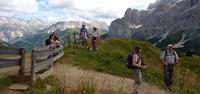
Popular walking trips in the Dolomites
Dolomites trivia
- The Dolomite Mountains are home to 18 peaks above 3,000 metres in an area of over 141,000 hectares.
- When you decide on a walking holiday in the Dolomites, you hike in a region that has been on the UNESCO World Heritage List since 2009.
- It is easy to reach the mountains by train from Austria.
- Charming refuges (or rifugios in Italian) are scattered around the mountains, connecting the trails.
- Street signage is in Italian or German, with most towns having 2 different names, e.g. Dobbiaco and Toblach are the same town.
For more information on these stunning mountains in Italy and walking in the Dolomites, please
contact one of our travel experts around the world.
Have you explored the Dolomites yet, or is it still on your travel to do list? Share your thoughts in the comment section below.