There really should be no rivalry. Both regions are equally appealing, but some places may suit your interests more than others.
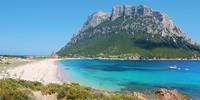 Sardinia's beaches are simply stunning
Beaches
Italy is blessed with 7,600 kms of coastline. From Liguria in the north west (think the Cinque Terre), to the heel of Italy in the southeast (Puglia), and in the southwest the Amalfi Coast and the islands of Sicily, the options are endless. All Italian beaches will be busy in peak season, particularly in August, however even then you can find uncrowded sections of coastline where the Mediterranean melds with ancient ruins and delicious local seafood. For unspoilt stretches of golden sand however you need to head even further south to the island of
Sardinia, home to some of our favourite Italian beaches.
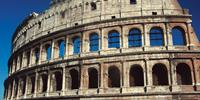 Rome's ancient Colosseum, one of the many historic treasures of Rome.
History & Sightseeing
The word ‘Rome’ alone symbolises history. Rome is a place you can idle many days away wandering the streets or exploring the Pantheon, Colosseum, nearby Vatican with its famous Sistine Chapel. It’s a must-see city and gets the nod for history buffs due to the variety of things to see. In the south, Naples is not far from the UNESCO World Heritage listed site of Pompeii, the ancient Roman city destroyed by nearby Mt Vesuvius.
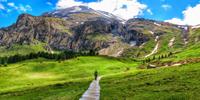 The Italian Dolomites - a walkers paradise.
Mountains
Almost 40% of Italian territory is mountainous! If we exclude the volcanoes of Sicily and the rolling hills of Tuscany and the Appenine Alps, it really only leaves us with the Alps in the north. The big peaks are in the Aosta Valley. Here, you will see Mont Blanc, the Matterhorn and Monte Rosa. The history of the Francigena Way and sheer beauty of the Aosta Valley make it worth a visit however it is hard not to suggest the Dolomites for sheer mountain delight. They’re perhaps not just the best mountain experience in Italy, but all of the Alps.
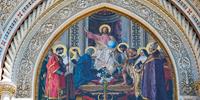 Duomo Facade in Florence, the city of art
Art & Culture
Priceless works by Botticelli, Giotto, Michelangelo and Leonardo da Vinci; Brunelleschi’s bold, red-tiled Duomo; Gothic and Romanesque facades; Ponte Vecchio, where art is fashioned into something you can wear – the Renaissance lives on in Florence.
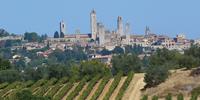 Medieval villages such as San Gimignano are surrounded by Tuscan produce
Food
We’re not entering this one! The food is divine in the north or south, your preferences may dictate which region is most tantalising for you. Learn more about our
Best Italian Eating Destinations. What we will say is that the term ‘agriturismo’ seems to lend itself to Tuscany. Tuscany’s proximity of medieval history and abundant locally sourced and produced meals make it a wonderful place to start for the culinary traveller.
 The Cinque Terre is a great Italian family travel destination
Families
Combining the history of Rome with making pizza in Naples and
scenic walks on the Amalfi Coast is a nice varied itinerary that will keep everyone in the family content. It’s almost an endless summer in the south where swimming and gelato can be enjoyed nearly year round. An option in the north for families with younger children is
the Cinque Terre. Staying in the same village means unpacking only once. Go walking in the surrounding hills or gentler coastal trails, swim in the Mediterranean, or just hang in a piazza and enjoy watching the world go by.
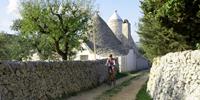 Cycling past a traditionally styled trullo house in Puglia
Something different
Despite 40% of Italy's olive oil originating from Puglia, Italians would be otherwise unfamiliar with this working class region of Italy. Here, things are different. They don't use eggs to make their orecchiette pasta, and the language also has a variation. Thanks to the blend of influences over the ages by the Romans, Greeks, Spanish and Arabs, Puglia offers a completely different Italy.
UTracks offers self guided and small group cycling and walking trips in Italy for all ages and fitness levels.