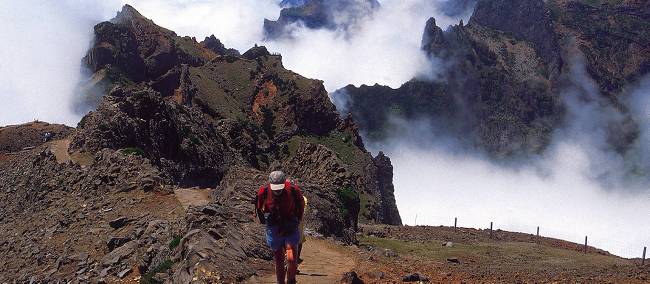
Trek on the Portuguese island of Madeira | Antonio Spinola
Blog home / Madeira Island Walking: Flora, Fauna and Fireworks
Madeira Island Walking: Flora, Fauna and Fireworks
Madeira Island: a stunning Portuguese island that lies well off the Atlantic coast where the Gulf Stream affords it a mild and equable year round climate. Located 1600 kilometres from the mainland, this remote part of Portugal is known for wine, gastronomy, historical and cultural values, flora, fauna and lush landscapes like UNESCO-designated World Heritage site Laurisilva of Madeira (laurel forest).
Madeira is also known for its fireworks. The tradition of the Madeira fireworks dates back to the seventeenth century. It all started with bonfires that were lit each New Year’s Eve, illuminating Madeiran homes and filling them with colour and light. Later in the eighteenth century, the English community introduced the launch of a firework rocket to mark the end of one year and the beginning of another. Jump forward 100 years when banker Madeiran João José Rodrigues Leitão revived the tradition by influencing the island’s wealthy families to compete with one another; promoting a display of fireworks that spread to the higher areas of the city. At the time, the fireworks went on through the night, extending the New Year’s celebrations.
Today’s New Year’s Eve firework show is far shorter but just as enthralling. Taking about eight minutes, the fireworks are spread over more than 30 burning fire stations located in the amphitheatere of Funchal, on the waterfront and downtown area. It is an impressive sight to see. So impressive that Madeira was awarded the Guiness World Record for the largest pyrotechnic performance in the world in 2006 and held this title until 2010. Madeira is the perfect getaway for New Years.
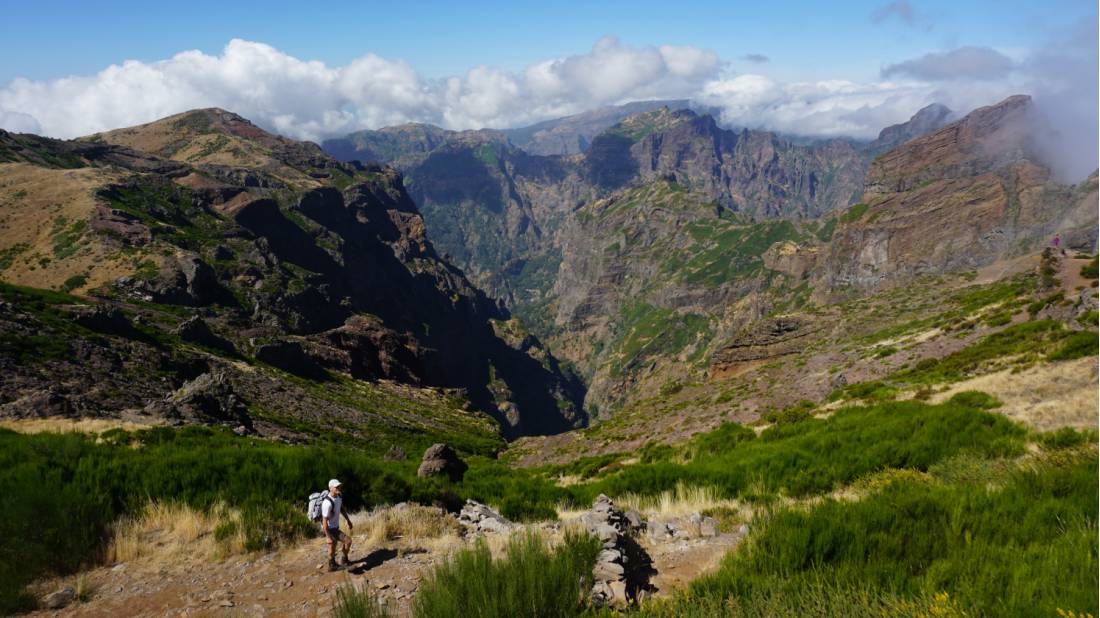
Spring and autumn are also ideal times to visit the island when a myriad of colourful flowers and trees are in bloom—jasmine, begonias, freesias, magnolia and camellias form just a part of the spectacular flora. A characteristic feature of the island is the elaborate system of levadas (irrigation channels). They wind their way over 2000 kilometres across gullies and steep slopes bringing water to coastal settlements and farms. Many of these levadas can be followed on foot and, together with a comprehensive network of local trails, these pseudo-footpaths make even the most remote and mountainous parts of the islands accessible to walkers.
Have you been fortunate enough to have travelled to Madeira Island? What was your experience? Let us know in the comment section.